Category: News

  • Rocky Mountain Community Radio Hires Regional Broadcast Engineer to Strengthen Public Radio Infrastructure Across the Region

    9/1/26

    New shared engineering position will help RMCR member stations build stronger, more resilient systems and better prepare for the future.

    Rocky Mountain Community Radio (RMCR) has hired Kit Haskins as its new Regional Broadcast Engineer, creating a shared technical resource designed to strengthen the reliability and resiliency of community and public radio stations throughout the Rocky Mountain region.

    The position is part of RMCR’s multi-year Shared Engineering Initiative, developed in response to a challenge facing stations across the region and throughout public media: maintaining increasingly complex broadcast and IT systems as access to experienced broadcast engineers becomes increasingly scarce.

    RMCR’s member stations serve communities across Colorado, Utah, Wyoming, and New Mexico, including many rural and geographically isolated areas where reliable local radio remains an essential source of news, emergency information, culture, and community connection.

    The engineering initiative grew out of conversations among RMCR member stations regarding shared challenges, along with an extensive assessment of member stations’ technical needs. That process made one thing clear: there was enough work and similar needs for stations to collectively hire a full-time engineer, which would dramatically impact the reliability of these stations’ engineering services.

    With support from Press Forward, RMCR turned that idea into a regional shared engineering program.

    “What excites me most about this collective effort is what it will mean for the technical resiliency of our member stations,” said Breeze Richardson, Executive Director of Aspen Public Radio and President of Rocky Mountain Community Radio. 

    She continued, “Small rural stations like ours are providing an incredible public service with very limited technical support. Having this engineer as a shared resource means our stations will have someone they can get to know and trust, who can help them grow, keep their infrastructure strong, and plan ahead––especially for wildfire. Press Forward’s support made it possible for us to take up the challenge and develop the relationships and systems we need to build this solution together.”

    Kit Haskins will get right to work, coordinating directly with RMCR member stations on what repair, maintenance, or capital planning they need assistance with to strengthen the systems that keep each of them on the air and connected to their communities. Early work will prioritize station infrastructure and remote transmitter sites that become more difficult to access during the winter months, with a focus on both planned maintenance and the availability to respond to emergencies.

    A major focus of the position will be resilience: helping stations prepare before an emergency occurs so they are better able to continue serving their communities with live radio broadcasting capabilities during severe weather, wildfires and mudslides, power or internet outages, equipment failures, and other disruptions.

    That preparation is especially important for stations serving rural and mountainous regions, where transmitter sites may be hours away and difficult or impossible to reach during certain seasons of the year.

    “When something goes wrong at a station, the impact is not just technical,” said Tami Graham, Executive Director of KSUT Public Radio and Chair of the Rocky Mountain Community Radio Engineering Committee. 

    She continued, “If we go off the air, it can mean a community loses access to local news, emergency information, music, and voices they depend on every day. What makes this position so meaningful is that we now have someone whose job is not only to help when a problem arises, but also to strengthen our station infrastructure before that problem occurs. That gives all of us a lot more confidence about the future.”

    A Shared Approach to a Growing Industry Challenge

    Recruiting and retaining broadcast engineers has become increasingly difficult for stations, both large and small. Experienced engineers are retiring, the work increasingly requires knowledge of both traditional broadcast equipment and modern computer and networking systems, and rural stations often compete for a very limited pool of qualified professionals.

    This new approach by the member stations of RMCR is designed to make experienced engineering support available to stations that could not independently support a full-time broadcast engineer.

    Kit Haskins brings more than four decades of experience with radio, electronics, and communications technology to the role. His path began as a teenager earning an amateur radio license before he had a driver’s license. He went on to serve as a U.S. Navy avionics technician, work in engineering at KOAA-TV and KRDO-AM/FM/TV, earn advanced degrees in computer and electrical engineering, and build a career spanning both large technology companies and broadcast engineering.

    For the past decade, Haskins has worked with radio clients across five states, from small LPFM facilities to full-power FM and AM stations. In 2022, he was instrumental in putting KRHJ-FM on the air in Lamar, Colorado, where the station also serves as a local Emergency Alert System primary station.

    For Haskins, the public-service role of noncommercial radio is central to what makes the work important.

    “There are 100 channels on the FM band. The FCC set aside the first twenty for the best that radio has to offer,” said Haskins.

    The RMCR Regional Engineer will work in coordination with RMCR’s Engineering Committee and Project Coordinator to prioritize engineering needs among the member stations, coordinate the response to urgent issues, plan preventive work, and identify opportunities for stations to share knowledge and solutions.

    The initiative is also looking beyond the immediate needs of today’s stations.

    As the coalition envisioned it, the next step will be for RMCR to launch a broadcast engineering apprenticeship program. Haskins and RMCR’s Project Coordinator will work together to identify and mentor people interested in the field, giving a new generation of broadcast engineers the opportunity to gain hands-on experience alongside the RMCR Regional Engineer and meet knowledgeable staff across the coalition’s member stations.

    Haskins’ own career demonstrates the kind of pathway RMCR hopes the apprenticeship can help create. His introduction to electronics and communications began in the amateur radio community, where people with shared interests learned from one another, collaborated on projects, and passed along technical knowledge.

    The goal is not only to address the current shortage of broadcast engineering expertise but also to begin developing the next generation of professionals who can support community and public media. 

    “Our goal is not simply to have someone available when something breaks,” said Bill Sundahl, RMCR Shared Engineering Project Coordinator. “The bigger opportunity is to help stations become stronger and more resilient. As an industry, we need to plan for investment before it becomes an emergency. We need proactive, scalable solutions rather than every station solving the same problems alone.” 

    He continued, “I’m also excited about the apprenticeship program and this unique opportunity to bring new people into this work, while this generation of experienced engineers is still here to pass on critical knowledge to those who will keep our community radio stations on the air.”

    For Rocky Mountain Community Radio, the new position represents both a practical response to an immediate challenge and an investment in the future of community-based public media.

    Reliable infrastructure rarely receives attention when it is working properly. But every daily news broadcast, emergency announcement, EAS broadcast, locally-produced public affairs program, musical performance, and community conversation depends on the station’s infrastructure working when it is needed.

    By sharing engineering expertise across the region—and beginning to develop the next generation of broadcast engineers—RMCR hopes to help ensure that these local voices remain on the air for years to come.

    About Rocky Mountain Community Radio

    Rocky Mountain Community Radio is a coalition of community and public radio organizations serving communities throughout Colorado, Utah, Wyoming, and New Mexico. RMCR provides opportunities for member stations to collaborate, share knowledge and resources, strengthen local service, and address common challenges facing public media organizations throughout the Rocky Mountain region.
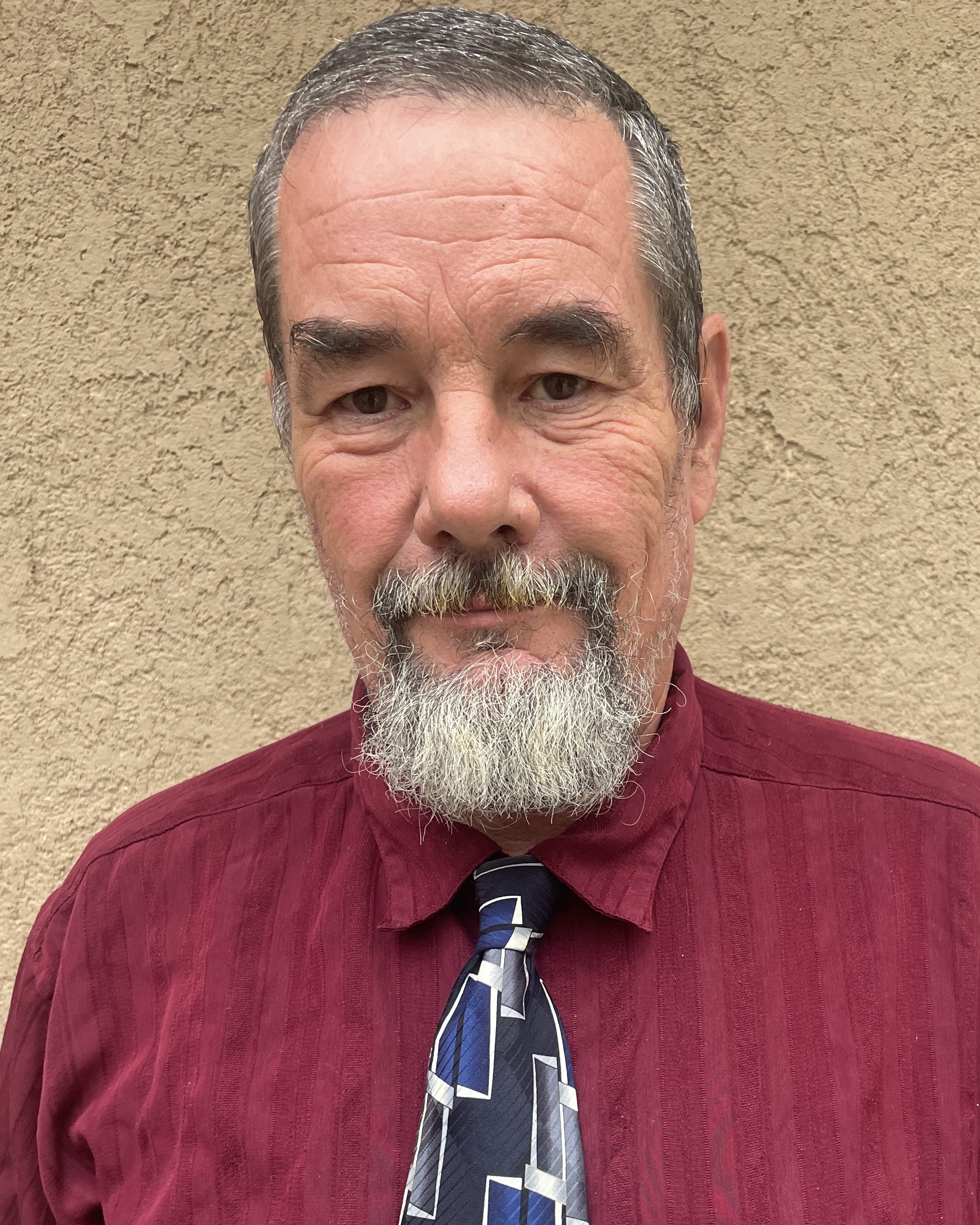
    Kit Haskins

    RMCR Regional Broadcast Engineer
    719-660-3350 mobile
    engineer@rockymountaincommunityradio.org  

    Media Contact

    Bill Sundahl
    RMCR Shared Engineering Project Coordinator
    pc@rockymountaincommunityradio.org
    (816) 365-3128

    ###

  • Rocky Mountain Community Radio receives national Press Forward funding to address critical broadcast engineering needs

    The project is one of 22 across the United States sharing $22.7 million
    to meet the urgent challenges local newsrooms face
    .

    7/16/25 – Announced today by Press Forward, Rocky Mountain Community Radio (RMCR) will receive $1 million to create a shared engineering staff, providing the network’s 21 community radio stations across four states with access to mission-critical broadcast engineers, thanks to this national initiative to reimagine local news. 

    The funding is part of Press Forward’s Open Call on Infrastructure, which is providing $22.7 million to 22 projects that address the urgent challenges local newsrooms face today, including this effort by RMCR to address a shortage of broadcast engineers throughout the Mountain West region.

    Community radio stations in the Mountain West face a shortage of broadcast engineers due to retirements and limited new talent. As technology ages and natural disasters increase, access to reliable radio is critical. Small stations can’t afford full-time engineers, despite ongoing repair and maintenance needs for live radio and studio engineering systems.

    The RMCR network of member stations is responsible for the maintenance of 70 unique tower sites, in addition to transmitter and repeater sites, and collectively manage over 67 studios where live newscasts, musical performances, community affairs programming, and other radio production takes place.

    “This engineering initiative aims to celebrate a collective approach to a critical problem, which will increase our engineering capacity, grow each member station’s ability to resolve technical problems efficiently, and reduce deferred maintenance and broadcast interruptions,” stated Breeze Richardson, President of the Rocky Mountain Community Radio coalition. 

    With this major investment, RMCR will create a pilot program to share engineering resources across its 21 Mountain West stations by hiring dedicated engineering staff to travel among stations, employ an administrator to coordinate scheduling and oversee program design, and create an equipment pool for emergency repairs in the event of equipment failure. Partnerships will strengthen talent development and career pathways through apprenticeship and station staff training to support the next generation of broadcast engineers.

    Jennifer Ferro, CEO of KCRW in Los Angeles, reacted to the news, stating: “I commend RMCR’s thought leadership. They are highlighting how vital it is to maintain the knowledge base for our critical, physical infrastructure. KCRW launched an Engineering Apprentice Program two years ago to train up our next generation of engineers. RMCR is building on this idea with a collaborative model that other stations can emulate.” 

    RMCR joins an impressive group of awardees, including recipients working to protect a free and independent press, ensure newsrooms have safety protocols in place, build mental health services to help reporters heal from trauma and burnout, and create legal resources to face challenges to their reporting. Others are strengthening newsrooms’ sustainability – tackling revenue and operations challenges so the field of local news can thrive long-term.

    The full list of recipients is available online.

    About Rocky Mountain Community Radio
    Rocky Mountain Community Radio (RMCR) is a coalition of more than 21 non-commercial radio stations in Colorado, New Mexico, Utah, and Wyoming. Most of our stations serve rural western communities, and each represents and reflects the unique and diverse nature of their own community through local news reporting and other culturally-relevant music and public affairs radio and digital programming. In addition to producing local news for each individual station, RMCR member stations collaborate to produce news reports and stories that connect our communities. The coalition was first formed in the late 1980s to share content among independent, community radio stations all throughout the Western Slope.

    About Press Forward
    Press Forward is a nationwide movement to strengthen our democracy by revitalizing local news and information. Press Forward’s growing coalition of funders has committed to invest more than $500 million to strengthen local newsrooms, close longstanding gaps in journalism coverage, advance public policy that expands access to local news and scale infrastructure the sector needs to thrive. Press Forward is housed at The Miami Foundation.

  • RMCR Hires Inaugural Rural Climate Reporter

    11/13/24

    Rocky Mountain Community Radio (RMCR) is pleased to announce the hiring of Caroline Llanes as the network’s first Rural Climate Reporter. In this role, Caroline will focus on telling the stories of rural communities across the region, examining how climate change impacts the people, environments, and economies of the Rocky Mountain West.

    Caroline comes to the position after nearly three years as a reporter at Aspen Public Radio  where she covered local government and reported on a variety of state, local, and federal agencies, with a strong emphasis on climate and environmental issues.

    Caroline’s award-winning work has been broadcast nationally on NPR, regionally through the Mountain West News Bureau, and across the RMCR network. 

    “Climate and the environment is at the core of pretty much all of my reporting, because it’s an issue that intersects with nearly every other issue in our lives. That includes where and how we build affordable and attainable housing, how we plan our cities and transit, and the impacts on our most marginalized and vulnerable members of our communities,” said Llanes.

    As RMCR’s new Rural Climate Reporter, Caroline will collaborate with newsrooms across the coalition’s 20 member stations to report on climate change and its impact on rural communities throughout the region. She will work directly with RMCR Managing Editor Maeve Conran.

    “Now more than ever, covering rural climate issues is crucial, with our region at the heart of so many national conversations on climate-related topics,” said Conran. “I’m thrilled to work with Caroline as she shares the stories of this region and amplifies the voices of the people and communities most affected by climate change.”

    Breeze Richardson, RMCR President concurs, stating: 

    “Over the last three years I’ve had the privilege of watching Caroline grow into a remarkable beat reporter, with a passion for making climate stories accessible and relevant to our lives today. She’s going to be a tremendous asset for the RMCR coalition, with Aspen Public Radio listeners still able to hear her work thanks to our role in this collaboration as a member station.”

    The Rural Climate Reporter position is funded by a one-year grant from the Rural Climate Partnership in collaboration with Colorado Media Project. 

    “In an industry once defined by fierce competition, Colorado’s local newsrooms lead the nation in creating innovative ways to work together to better serve their communities. When coalitions like Rocky Mountain Community Radio share reporters and coordinate coverage among their member stations, they help different communities facing similar challenges and questions connect, support, and learn from each other,” added Sam Moody, Learning and Grants Manager at Colorado Media Project who helped RMCR secure the grant.

    Founded over forty years ago, Rocky Mountain Community Radio is a coalition of more than 20 non-commercial radio stations in Colorado, New Mexico, Utah, and Wyoming. Participating stations include:

    KAFM – Grand Junction
    KAJX – Aspen
    KBUT – Crested Butte and Gunnison
    KDNK – Carbondale
    KDUR – Durango
    KFFR – Winter Park, Fraser
    KGNU – Boulder and Denver
    KHEN – Salida
    KHOL – Jackson Hole, WY
    KLZR – Westcliffe
    KOTO – Telluride
    KRFC – Fort Collins
    KRCL – Salt Lake City, Park City, Ogden, Provo, UT
    KSJD – Cortez
    KSJE – Farmington, NM
    KSUT – Ignacio
    KUNC – Greeley
    KUVO – Denver
    KVNF – Paonia and Montrose
    KZMU – Moab, UT

    With RMCR serving many additional communities beyond those listed above.

    For information about RMCR contact:

    Breeze Richardson
    President, RMCR Board of Directors
    Executive Director, Aspen Public Radio
    breeze.richardson@aspenpublicradio.org

    Maeve Conran
    Managing Editor, RMCR
    maeve@rockymountaincommunityradio.org 

  • RMCR Hires New Managing Editor

    5/23/22

    For Immediate Release:

    Rocky Mountain Community Radio (RMCR) is pleased to announce the hiring of Maeve Conran to serve as the network’s first Managing Editor and Producer.

    Maeve brings fifteen years of broadcast news experience as a radio news director, freelance radio podcast producer, and TV program director; and she shares a deep commitment to the success of RMCR. She has extensive experience collaborating with radio journalists in her professional career, and recently she served as the Project Coordinator for RMCR’s award-winning collaborative news project highlighting the issues facing communities as they transition from reliance on Fossil Fuels to green energy.

    As RMCR’s new Managing Editor, Maeve will collaborate with journalists and news producers at RMCR’s 18 stations on stories and public affairs programs, greatly increasing the network’s capacity to cover, produce, and distribute regional news.

    “I am so excited to be given the opportunity to work with the incredible stations that make up RMCR. Community radio is my passion and I believe so strongly in the work being done by RMCR and the member stations, I’m so honored to get to be a part of it,” said Maeve Conran.

    “RMCR is very excited to achieve one of our long term goals of expanding the impact of our collaboration. We’re pleased to have Maeve join the team to help strengthen journalism for communities in our region,” said Kelley Dole, President of RMCR.

    RMCR is a coalition of 18 non-commercial radio stations in Colorado (15), New Mexico (1), Utah (1), and Wyoming (1). RMCR stations share content and work collaboratively to produce in-depth features on regional issues.

    The Managing Editor position is funded in part by a three-year grant from the Colorado Media Project and RMCR Member Stations. Aspen Public Radio has agreed to host Conran in her new role, and so she will technically be an employee of Aspen Public Radio, an RMCR member, and will report to Brent Gardner-Smith, Aspen Public Radio’s news director. However, her mission is to serve all RMCR stations equally in her new position.